
KUALA LUMPUR – In recent weeks, the opposition over the recognition of the Unified Examination Certificate (UEC) has reignited among Malay rights groups even though the current government has not indicated interest to move forward with the issue.
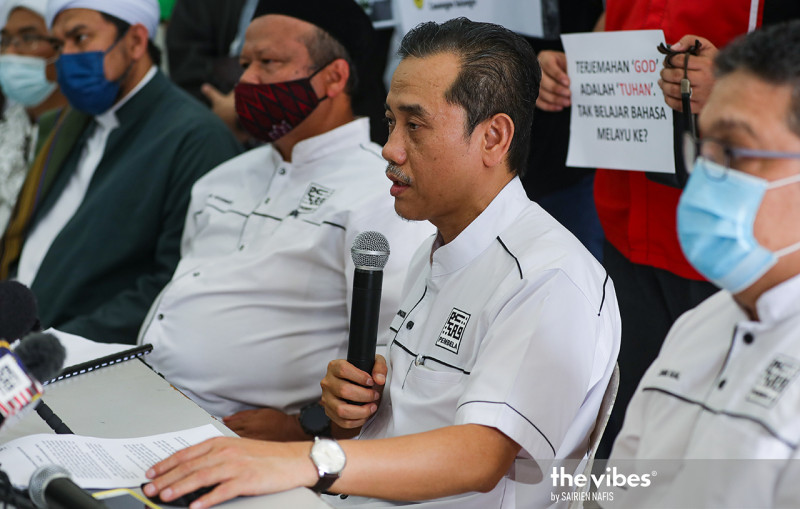
Malay rights umbrella group Pembela has been airing its opposition on its social media platforms, with its chairman Aminuddin Yahaya saying that giving the UEC recognition is akin to “a betrayal of our grandchildren, our ancestors, the education system and the country’s harmony”.
Some UEC opponents say this issue is a litmus test for newly minted Prime Minister Datuk Seri Ismail Sabri Yaakob and his administration.
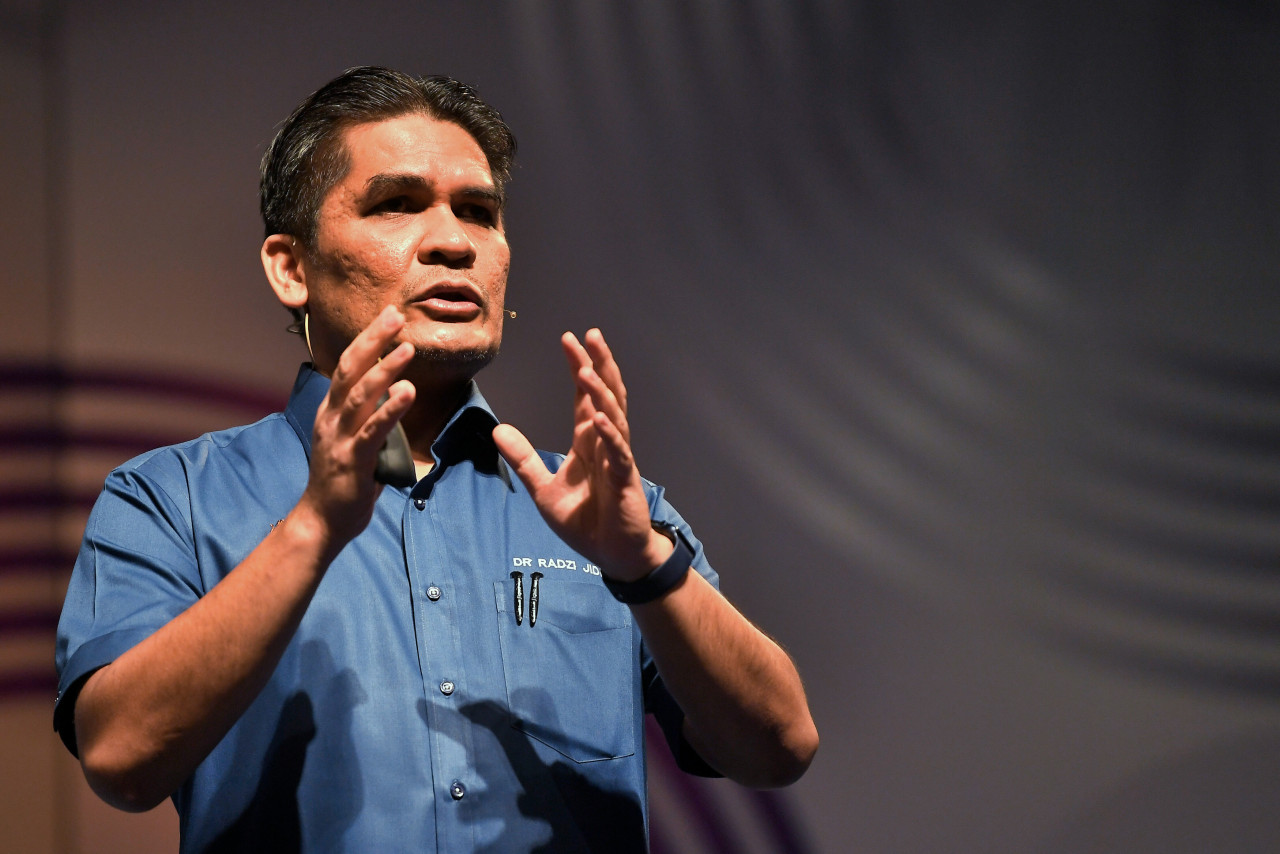
For now, Education Minister Datuk Mohd Radzi Md Jidin, who was retained from the previous Perikatan Nasional administration, has not brought up the UEC issue, besides clarifying last August that UEC holders have been accepted since 2011 for the Bachelor’s Degree in Teaching programme (PISMP) specialising in Chinese language at teachers’ training institutes.
Pembela and other Malay rights groups were most vocal in opposing recognition for the UEC when Pakatan Harapan (PH) released its 2018 general election manifesto. In the manifesto, PH promised to resolve the matter of recognition of the UEC – one of the country’s longest-standing education issues.
Things appeared to have started off on the right foot, following the coalition’s election victory, when then education minister Maszlee Malik set up a special task force to study the issue.
The Simpang Renggam MP however resigned as minister in January last year following fierce pressure stemming from other issues. The appointment of Tun Dr Mahathir Mohamad as interim education minister all but threw a spanner in the works for the task force.
Not even a threat by PH component DAP to quit the ruling government if the UEC promise was not fulfilled was enough to push Dr Mahathir to move forward.
Just a few months later, infighting within the coalition led to the collapse of the government, and brought with it the hopes of many to get the certificate formally recognised.
For many younger Malaysians, the debate surrounding the UEC may be new, but it traces back to its introduction almost half a century ago – at the same time Malaysia witnessed a change of prime minister seven times, only reinforcing the intricacies of the matter at hand.
How it started
UEC, a standardised examination under the Malaysian Independent Chinese Secondary Schools system, was first introduced in 1975 in a bid to streamline examinations.
Prior to that, the schools had been hosting their own examinations after the government stopped providing standardised papers in the Chinese language to these institutions since the early 1960s as part of its push for a national education syllabus.
Since then, Dong Zhong (United Chinese School Committees Association of Malaysia) has been working to get the UEC recognised by the federal government.
Today, the certificate is recognised as a qualification for entry into a slew of tertiary education institutions globally, including those in the United Kingdom, the United States, Taiwan, China, Japan, Singapore, and Australia, to name a few. But, not without some fine print.
Locally, most private colleges accept the certificate, which is marketed as an equivalent to STPM and A-Levels, as an entry criterion to their institutions, but not public universities.
To proponents of the UEC, the decision to not recognise it is baffling, but to the government, the motivation is simple – it wants a single, national education system for all students.
Issue more than just education?
Critics have argued that the rationale not to accredit the certificate goes beyond education. Over the years, the issue has become politicised and racialised – now a contentious point when brought up.
By not recognising the UEC, there is a belief that the government can, to a certain extent, persuade more Chinese students to join public secondary schools, subsequently fostering national unity.
There is also the fear that the UEC will cause further racial segregation among the multiracial community of Malaysia, and that it will further devalue the national language.
For supporters of the UEC though, this sentiment is moot, as there has been no indication to prove that the recognition of the examination will lead to further division.
They also point out that some independent Chinese schools already teach the national secondary school curriculum in Bahasa Malaysia alongside their own curricula to prepare their students to sit the SPM, which they take as private candidates.
Dong Zong has also agreed with a requirement to mandate that its students pass BM with a credit in order to enter public universities.
But, some in the Chinese community are not in favour of recognising the UEC, proving that the issue is more nuanced.
One comment on social question-and-answer site Quora sums this sentiment up best: “Many Chinese millennials in my area are gradually losing touch with the fact that they are living in a multiracial country… Many only mingle among themselves mostly due to the language barrier that they created themselves.”
For UEC advocates, dreams for the examination to be given recognition may have been dashed by the unfulfilled promise of the former PH government, but perhaps they hold a sliver of hope now that Ismail Sabri is at the helm.
Already, the Umno vice-president has taken an unconventional approach to administering the country, by working with the opposition in implementing certain reforms.
Will he address this issue under the spirit of his Keluarga Malaysia concept? Or leave it to fester as lobby groups continue to push their narratives? – The Vibes, September 20, 2021



.jpeg)